 Heidi
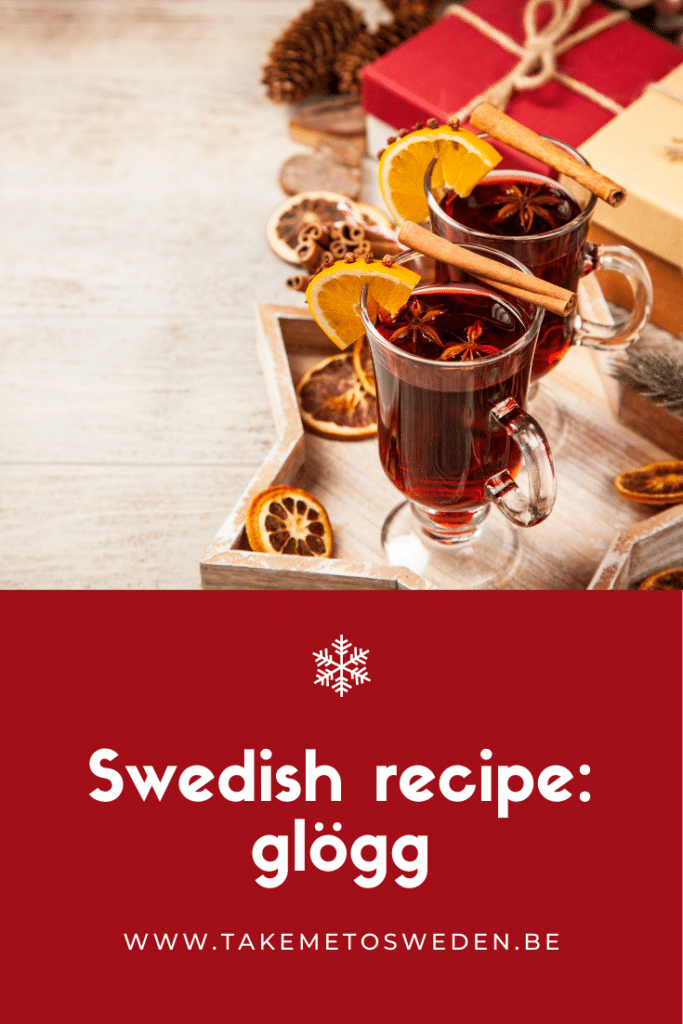
Heidi A hot drink is a winter essential. In Sweden, the traditional choice during the colder months is glögg, the Scandinavian variation of mulled wine. While you can buy ready-made Swedish glögg, it’s far more rewarding and delicious to make your own with this straightforward recipe.
Glögg vs. Glühwein: the key flavour difference
Many people confuse glögg with Glühwein (German mulled wine), but I’d wager you’ll prefer glögg! While both are warm, spiced wines, there is a significant taste distinction. glögg is typically richer, sweeter, and features a unique blend of spices (often including ginger and cardamom) that truly sets it apart. Where Glühwein can sometimes be a bit sharp, authentic glögg is velvety smooth and incredibly heart-warming.
Furthermore, glögg is traditionally served with blanched almonds, raisins, and the quintessential pepparkakor (thin Swedish ginger biscuits). I genuinely dislike Glühwein, but I’ll never say no to a glass of glögg. Some people think they’re the same, but I find there’s a huge difference in flavour.
Easy homemade glögg recipe
The beauty of homemade glögg is how easily you can experiment with the flavour profile. Countless recipes exist, but here are some tips to perfect your brew:
- Spice variation: Play with the quantity of cinnamon sticks, cloves, and grated ginger. Add extra whole spices like cardamom pods, or simmer a piece of fresh orange zest for more aroma.
- Make it stronger (spiked glögg): For a more potent glögg, stir in a generous splash of cognac, orange liqueur (like Cointreau), port, or dark rum after straining the mixture.
- Adjust the sweetness: Swap the regular cane sugar for dark muscovado or soft brown sugar for a deeper, treacle-like flavour. Adding a drizzle of honey is another excellent option.
Ingredients for Swedish mulled wine
(Makes approx. 1 litre)
- 75 cl bottle of dry red wine
- 4 cinnamon sticks
- 4 whole cloves
- 2 tablespoons fresh grated ginger
- 4 tablespoons cane sugar (or muscovado/brown sugar)
- 50g blanched almonds (whole or flaked)
- 50g raisins
- 20 cl fresh orange juice (or apple juice)
- Slices of 2 oranges (or apples), for garnish
How to make glögg
Making glögg is surprisingly simple:
- Macerate (the infusion): Place all the ingredients into a large saucepan (except the orange slices, raisins, and almonds). Gently bring the mixture just to the boil. Immediately remove the pan from the heat the moment it starts to bubble. Do not let it boil vigorously!
- Steep (the key to flavour!): This is the most crucial step for the best taste. Allow the glögg to cool completely and let the spices steep further. Top tip: Ideally, prepare your glögg a day in advance so the complex flavours can fully develop.
- Reheat and serve: Just before serving, bring the mixture back up to temperature, but again, keep it just below boiling point (do not let it boil!). Strain the mixture through a sieve to remove the spices, and ladle the hot glögg into heatproof glasses or small mugs.
- Finish and garnish: Finish your glögg by adding a few orange slices, a sprinkle of almonds (or almond flakes/slivers), and a spoonful of raisins to each glass. Serve traditionally with crunchy pepparkakor. “Skål!” (Cheers!)
P.S. Serving suggestion: You can also offer the orange slices, almonds, and raisins separately in small bowls, allowing each guest to customise their drink. This is a very common way to serve glögg in Sweden!
Pin for later