

 Heidi
Heidi Are you a fan of sweet treats and Scandinavian traditions? Then you simply must discover the semla! This irresistible Swedish delicacy captures hearts every year, both in Sweden and across the globe. These fluffy cardamom buns, filled with a heavenly combination of creamy whipped cream and sweet almond paste, are the culinary stars of Fettisdagen, the Swedish equivalent of Shrove Tuesday.
What is a semla?
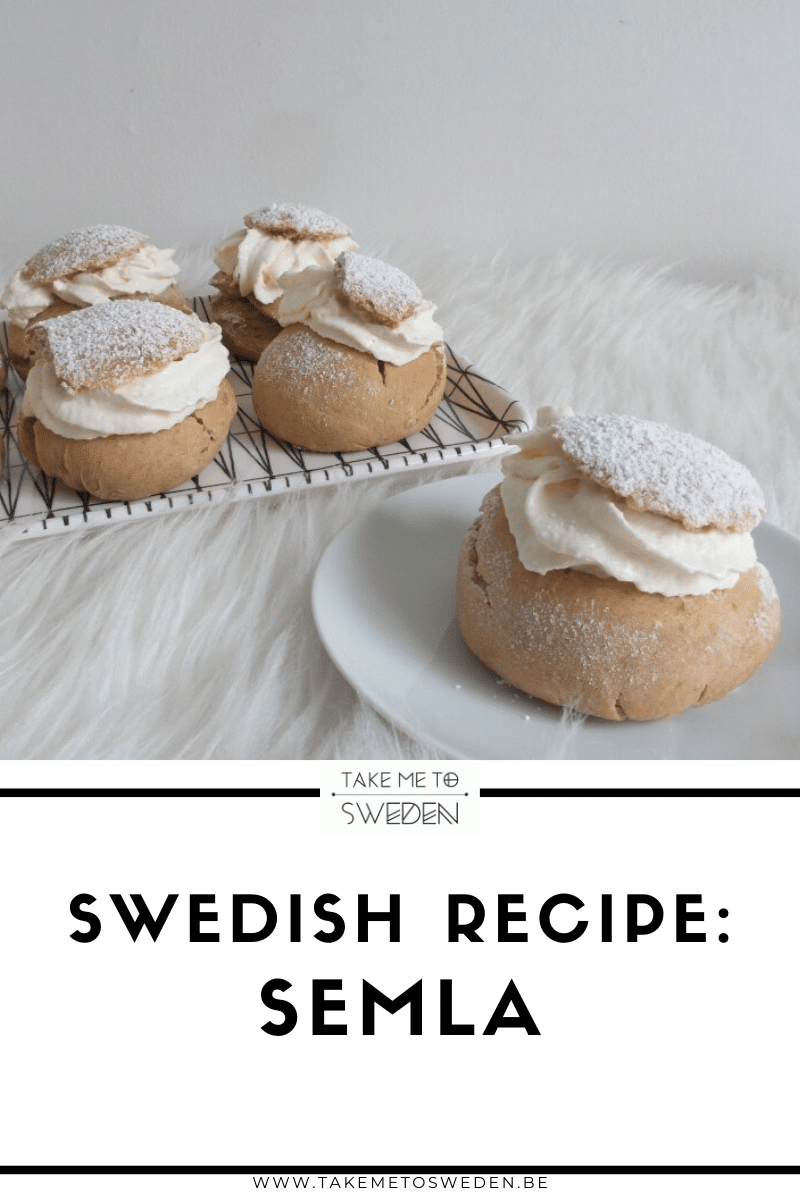
A semla (plural: semlor) is a soft, light bun with a hollowed-out centre, generously filled with a delectable blend of whipped cream and almond paste. The bun is topped with a sugary ‘lid’, which is created by slicing off the top and then dusting it with icing sugar before replacing it.
Traditionally scoffed on Fettisdagen – the day before the start of Lent – semlor are now a much-loved treat readily available in Swedish bakeries from Christmas right through to Easter. They’re also affectionately known as Fettisdagsbullar.
Did you know? The word “semla” originates from the Latin “semilla“, meaning “fine flour” or “flour of the highest quality“. This perfectly encapsulates the delicate, soft texture of these delightful buns.
How Swedes enjoy their semla
The classic way to savour a semla is to accompany it with a bowl of warm milk. This comforting combination, known as hetvägg, provides a delightful warmth on chilly winter days. Of course, enjoying a semla straight from the hand is equally scrumptious!
Swedes undeniably adore their semlor: an astonishing 40 million are sold annually, which translates to over four semlor per person! Although they’re now available earlier in the season (sometimes even around Christmas), their presence invariably concludes after Easter.
Modern semla variations
Swedish bakers are renowned for their creativity, and the semla is no exception. Recent years have witnessed the emergence of innovative variations, such as the semmelwrap (a modern take on the traditional bun) and intriguing fusions like the princess cake-semla hybrid. The nachosemla, a unique creation from Mr. Cake, further demonstrates the boundless creativity within the Swedish baking scene.
Fettisdagen: the Day of the Semla
Fettisdagen, the Swedish equivalent of Shrove Tuesday, is a day dedicated to indulgence before the 40-day Lenten fast. While pancakes are the traditional Shrove Tuesday treat in many countries, Swedes opt for the delightful Fettisdagsbullar, or semlor. This cherished tradition has even earned Fettisdagen the alternative name of Semmeldagen, highlighting the central role of these delectable pastries.
When is Fettisdagen (Shrove Tuesday) in Sweden?
- 2026: 17 February
- 2027: 9 februari
- 2028: 29 februari
- 2029: 13 februari
- 2030: 5 maart
If you’re not able to travel to Sweden during this period, you can always get started at home with the recipe below:
Classic recipe for semlor (Swedish cream buns)
Ingredients
For the bullar (buns)
- 75g of butter
- 300ml milk
- 10g of fresh yeast (or 5g of dried yeast)
- Half a teaspoon of salt
- 55g of caster sugar
- One teaspoon of ground cardamom (a pinch of cinnamon can also be added)
- 500g of plain flour
- 1 egg (for the dough)
- 1 egg (beaten, for the egg wash)
For the filling
- 200g almond paste (mandelmassa in Swedish)
- 120ml milk
- Double cream (for whipping)
- Icing sugar (for dusting)
Make your own mandelmassa (almond paste)
You can easily make your own almond paste (or mandelmassa). Mix 1 part peeled and ground almonds with 1 part icing sugar. So, for this recipe, use 100g of ground almonds and 100g of icing sugar. Then add a few drops of water until you achieve a firm, pliable consistency.
Preparation
- Warm Milk and Butter: Heat the milk and butter in a saucepan until the butter melts. Remove from the heat and stir in the yeast until dissolved.
- Combine Dry Ingredients: In a large mixing bowl, thoroughly mix together all the dry ingredients (flour, sugar, salt, and cardamom/cinnamon).
- Form the Dough: Pour the liquid mixture (with the melted butter and yeast) and the egg into the bowl with the dry ingredients. Knead for five minutes until you have a smooth dough that no longer sticks to your fingers.
- First Rise: Cover the dough and let it prove for half an hour in a warm place until doubled in size.
- Shape the Buns: Once risen, knock the air out of the dough and knead it into even-sized balls (bullar). Remember that the dough will continue to rise, so don’t place the buns too close together on the baking tray. Cover again and let them prove for another 30 minutes.
- Egg Wash and Bake: Brush the tops of the buns with the beaten egg or milk. Preheat your oven to $200^\circ\text{C}$ (Gas Mark 6). Baking time will vary depending on the size of the buns, but should be between 10 and 25 minutes. Remove from the oven and let them cool completely on a wire rack.
Filling
While the buns are cooling, prepare the filling. Since I couldn’t find almond paste, I used marzipan.
- Grate the Almond Paste: While the buns are cooling, grate the almond paste (or marzipan).
- Prepare the Buns: Once the buns are cool, carefully slice off the top of each bun using a serrated knife. Use a fork or small spoon to gently scoop out the middle of each bun.
- Mix Filling: In a bowl, combine the grated almond paste, the scooped-out bun pieces (bread crumbs), and the 120ml of milk. Mix well until you have a firm, cohesive filling that is no longer runny.
- Fill the Buns: Fill each bun cavity generously with the almond paste mixture.
Finishing touches
- Top with Cream: Whip the double cream until stiff peaks form. Top each filled bun generously with the whipped cream. You can pipe it on for a professional finish.
- Replace the Tops: Place the cut-off tops of the buns back onto the cream.
- Dust with Sugar: Dust the tops of the finished semlor with a generous helping of powdered icing sugar.
Traditional serving
For a truly traditional experience, place each semla in a deep plate and pour hot milk around it.
Enjoy!
Pin it: recipe Swedish semla
Save for later!

How many buns should this recipe make? Wondering how to divide the dough.