
 Heidi
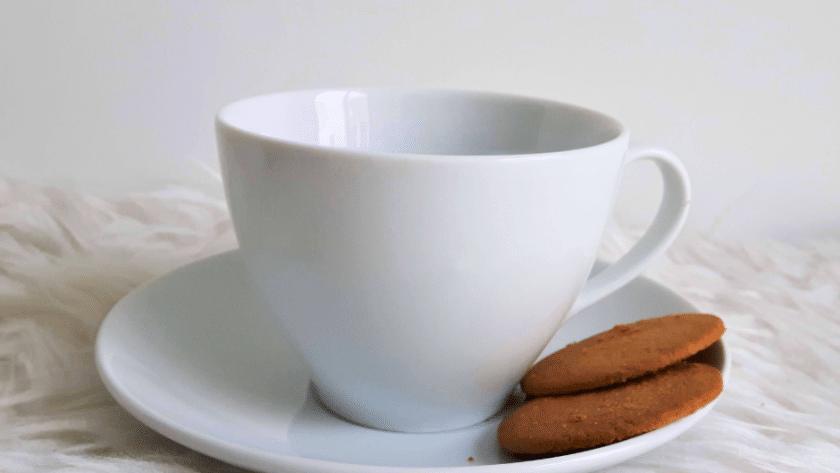
Heidi While I’m writing this post, the rain is tapping against the window. It truly is a perfect day to stay at home, wrapped up under a blanket with the fire on, and a cup of hot chocolate and some pepparkakor!
There are a few sweet delights that are absolutely linked to Sweden, like kanelbullar (cinnamon buns) and pepparkakor, or gingerbread biscuits. Even though I eat them throughout the year, pepparkakor are really typical for autumn and the weeks leading up to Christmas.
You can opt for the convenience of buying the biscuits at IKEA, but if you want your whole house to smell like Christmas baking, you should definitely try to bake them yourself! It takes a little planning because you need to let the dough rest overnight, but the result is well worth the effort!
Top Tip: Make a large batch of dough and bake some fresh biscuits every day. You can safely store the dough for a few days in the fridge or even freeze it without any problems.
Learning Swedish?
- två pepparkakor (two gingerbread biscuits)
- en pepparkaka (one gingerbread biscuit)
Ingredients for pepparkakor (Traditional Swedish Gingerbread Biscuits)
- 150g of butter
- 250g of caster sugar
- 50g of honey or golden syrup/treacle
- 100ml of water
- 450g of plain flour
- 1 teaspoon of cinnamon
- 1 large teaspoon of ginger
- 1 teaspoon of cardamom
- 1 teaspoon of baking powder
How to make homemade pepparkakor
- Mix the butter, caster sugar, and honey (or syrup/treacle).
- Add the spices and water.
- Finally, add the flour and baking powder.
- Knead this vigorously and let it rest overnight. Cover it and leave it to chill in the fridge.
- Sprinkle a little flour on the work surface and roll out the dough until it is about half a centimetre thick. Now you can cut out shapes of your choice.
- Preheat the oven to 200∘C (180∘C fan) and let the biscuits bake for about five minutes.
- Be patient while they are cooling down before tasting these delicious gingerbread treats!
Storage Tip: Keep the biscuits in a sealed tin. Don’t worry about how long they will keep; they are so tasty that they will be gone and eaten very quickly!
Extra Suggestions for Serving and Decorating
- Decorate the biscuits with some icing or add some chopped almonds or candied pieces of ginger.
- Real Swedes eat their pepparkaka with glögg (mulled wine)!
- Truly creative bakers can make a genuine gingerbread house with this dough for a stunning Christmas centrepiece.
History of the pepparkaka-biscuit
It is not immediately clear where pepparkakor originate. Rumour has it the Romans already ate these biscuits! In England and Germany, gingerbread cookies (or biscuits) are also very popular. Presumably, pepparkakor ended up in Sweden via Germany.
In the 14th century, the biscuit was on the menu at the wedding of King Magnus Eriksson and Blanka av Namur. In the 15th century, they used real peppers in the biscuits. The nuns of the Vadstena convent baked the cakes and sold them as a medicine. The biscuits apparently have a calming effect and help with digestion. Several centuries later, the pepparkakor recipes were found in cookery books. In the 18th century, it became a real “Christmas biscuit“. Now you can find them all year round.
Just like they have a day for kanelbullar, the Swedes also have a pepparkakans dag (Gingerbread Biscuit Day). This is celebrated every year on December 9th.
Gingerbread houses in Stockholm
Did you know that there is an annual exhibition/competition of gingerbread houses in Stockholm? You can visit it at ArkDes from the beginning of Advent until the end of the Christmas holidays.
Pin for later
Save this article to Pinterest for easy reference later!



Thanks for sharing this recipe, Heidi. I love gingerbread and once in a while I like to bake too. With the holidays coming up, I think I’m going to try your recipe. I have very sweet memories about Sweden and especially about their “fika”. The best cookies I ever tried.