 Heidi
Heidi Do you simply love the Christmas vibe? The cosiness, the twinkling lights, the house full of festive decorations… It certainly makes the darker days more bearable. But why wait until the beginning of December to fully dive into that magical atmosphere? Advent actually starts earlier, and in Scandinavia, the merriment kicks off even sooner with a very special guest: Nisse!
This mythological being from Scandinavian folklore – a kind of gnome or Christmas elf – has become a huge festive trend in Sweden in recent years. More and more families are inviting the tomtenisse to come and stay with them in the run-up to Christmas. If you have children (or just feel young at heart!) this is a fantastic way to make the festive season extra magical.
Who/What is Nisse (or Tomte)?
Nisse or Tomte is a figure from Norse mythology. They look like traditional gnomes with their long beards and conical hats, and are now primarily associated with the winter solstice and Christmas. The word nisse is thought to be derived from Nils (the Scandinavian form of Nicholas) and refers to a small, often helpful, but sometimes mischievous creature.
The trend has similarities with ‘Elf on the Shelf’, but Nisse brings a unique Scandinavian tradition into the home.
Read more about how the Swedes celebrate Christmas.
Nissedörr – is Nisse behind the door?
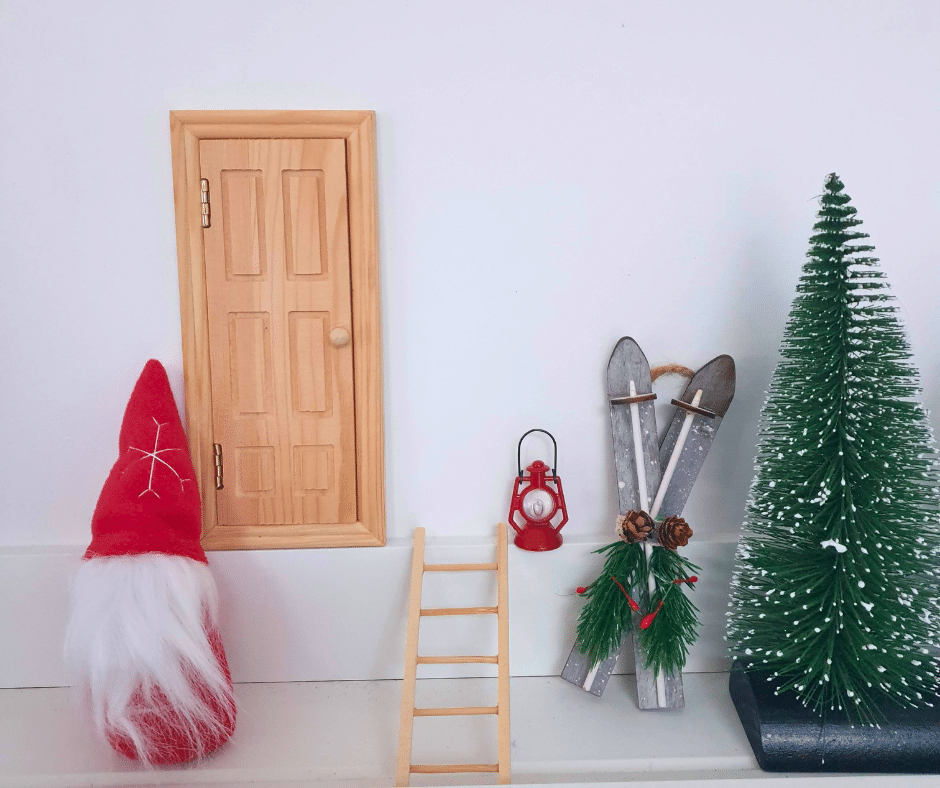
When Nisse takes up residence in your home, a tiny door suddenly appears: the nissedörr (Swedish for Nisse-door). This small, magical door is the abode of the Christmas elf during his stay.
The nissedörr is an essential part of the experience. You can craft a door yourself, or buy a ready-made kit. Its popularity is growing so fast that you’re seeing the nissedörrar (plural) more and more often outside Scandinavia – even big homeware stores are capitalising on this charming trend!

Nissebrev – notes (and mischief) from Nisse
Nissebrev are the little notes that Nisse leaves behind for the children overnight. Instead of a traditional Advent calendar, the children receive a daily message: a fun poem, a small task, or a clue leading to a tiny surprise.
But Nisse isn’t always good! The Christmas elf is known for getting up to a bit of naughtiness too:
- Mini footprints in the hallway or on the windowsill.
- Figurines cut out of the loo roll.
- Moving or replacing objects (for example, swapping eggs for chocolate eggs).
Thinking up the nissebrev and the pranks is a fun activity for grown-ups and is guaranteed to spark hilarious reactions from the children! Both the nissedörr and the notes make the countdown to Christmas an unforgettable, playful family tradition.